be
verboPRONUNCIACIÓN:
¿Cómo se pronuncia be en inglés correctamente y fácil?
Pronunciación americana para hispanos. Las letras en negrita se pronuncian más fuerte.
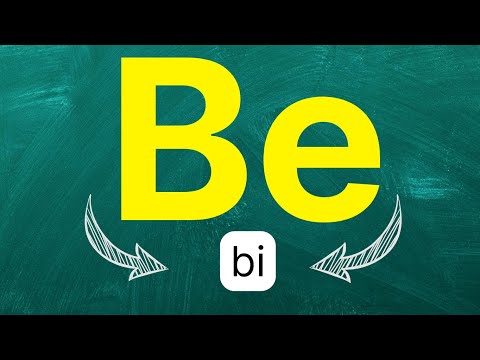
🇺🇸 IPA americano
🇬🇧 IPA británico
DEFINICIÓN:
Traducción y definición de be. Significados más comunes.
be como verbo
ser, estar— Verbo auxiliar y principal que indica existencia, identidad, estado o ubicación.Dato curioso
Es el verbo más irregular en inglés con múltiples formas: am, is, are, was, were, being, been.
ORACIONES DE EJEMPLO USANDO
be:
[¿Eres feliz?]
Are you happy?
ERRORES COMUNES AL USAR
be:
I are happy.
I am happy.
El verbo 'be' requiere 'am' con el pronombre 'I', no 'are'. Los hispanohablantes a veces olvidan las variaciones de sujeto en inglés.
He was go to the store.
He was going to the store. / He went to the store.
Después de 'was/were' se usa el participio presente (going), no el infinitivo (go). O se usa el pasado simple 'went'.
TIPS GRAMATICALES AL USAR
be:
En presente simple, 'be' cambia según el pronombre: I am, you/we/they are, he/she/it is. Es el único verbo que hace esto en presente.
En pasado simple usa 'was' con I/he/she/it y 'were' con you/we/they. Nota que 'were' también se usa en condicionales (If I were you...).
"COLLOCATIONS" COMBINACIONES HABITUALES DE
be:
MODISMOS Y EXPRESIONES IDIOMÁTICAS DE
be:
"to be or not to be"
ser o no ser (pregunta existencial)
To be or not to be, that is the question.
"be in for"
estar metido en algo (problemas, sorpresa)
You're in for a surprise.
JUEGOS Y EJERCICIOS INTERACTIVOS USANDO
be: