Inicio›Diccionario›you'll
you'll
contracciónPRONUNCIACIÓN:
¿Cómo se pronuncia you'll en inglés correctamente y fácil?
Pronunciación americana para hispanos. Las letras en negrita se pronuncian más fuerte.
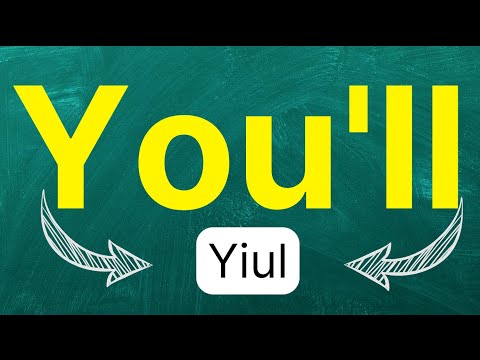
🇺🇸 IPA americano
🇬🇧 IPA británico
DEFINICIÓN:
Traducción y definición de you'll. Significados más comunes.
you'll como contracción
tú/usted + will (futuro)— Forma contraída de 'you will'. Se usa para expresar futuro próximo o predicciones.Dato curioso
Es una de las contracciones más comunes en inglés hablado. En escritura formal, se prefiere escribir 'you will' completo.
ORACIONES DE EJEMPLO USANDO
you'll:
[¿Estarás allí mañana?]
Will you'll be there tomorrow?
ERRORES COMUNES AL USAR
you'll:
You'll to go home now
You'll go home now o You have to go home now
No se usa 'to' después de 'you'll' (will). Si expresas obligación, usa 'have to'.
You'll been there before?
Will you have been there before? o Have you been there before?
'You'll' + 'been' es incorrecto. Para presente perfecto, usa 'have been'. Para futuro perfecto, invierte: 'will you have been'.
TIPS GRAMATICALES AL USAR
you'll:
You'll se usa para hablar del futuro cercano o predicciones. Es más informal que 'you will' y muy común en conversaciones cotidianas.
En preguntas, el orden es: auxiliar + sujeto + verbo: 'Will you arrive?' Nunca 'You'll arrive?' para preguntas.
"COLLOCATIONS" COMBINACIONES HABITUALES DE
you'll:
JUEGOS Y EJERCICIOS INTERACTIVOS USANDO
you'll: