Inicio›Diccionario›ancient
ancient
adjetivosustantivoPRONUNCIACIÓN:
¿Cómo se pronuncia ancient en inglés correctamente y fácil?
Pronunciación americana para hispanos. Las letras en negrita se pronuncian más fuerte.
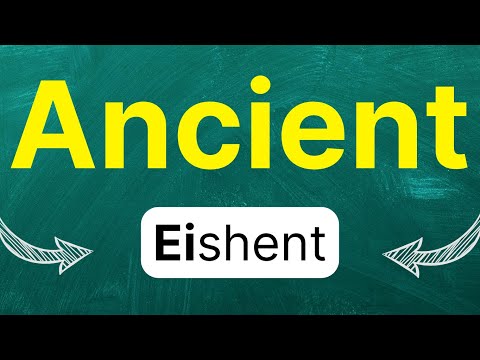
🇺🇸 IPA americano
🇬🇧 IPA británico
DEFINICIÓN:
Traducción y definición de ancient. Significados más comunes.
ancient como adjetivo
antiguo, ancestral— que existe o data de hace mucho tiempo, especialmente de épocas remotas o históricasancient como sustantivo
los antiguos, la antigüedad— Persona que vivió en tiempos remotos o la época antigua; se refiere a los pueblos o civilizaciones del pasado lejanoDato curioso
La palabra 'ancient' proviene del latín 'antianus', relacionado con 'ante' (antes). Se ha usado en inglés desde el siglo XIII para referirse a lo muy viejo o de tiempos remotos.
ORACIONES DE EJEMPLO USANDO
ancient:
[¿Es este artefacto antiguo de la era romana?]
Is this ancient artifact from the Roman era?
ERRORES COMUNES AL USAR
ancient:
ancient como forma adjetivo
This is a ancient artifact.
This is an ancient artifact.
Se usa 'an' antes de 'ancient' porque comienza con sonido vocálico /eɪ/, no consonántico.
The ancient peoples was civilized.
The ancient peoples were civilized.
'Peoples' es plural, por lo tanto requiere 'were', no 'was'.
ancient como forma sustantivo
Ancient believe in gods.
The ancients believed in gods.
Se necesita el artículo 'the' y debe concordar con el verbo en tercera persona del plural
We study ancient of Rome.
We study the ancients of Rome.
'Ancient' como sustantivo requiere el artículo 'the' cuando se refiere al grupo
TIPS GRAMATICALES AL USAR
ancient:
ancient como forma adjetivo
Como adjetivo, 'ancient' siempre precede al sustantivo en inglés (ancient Rome, ancient texts).
Puede usarse predicativamente después de verbos copulativos: 'These ruins are ancient.'
ancient como forma sustantivo
Como sustantivo, 'ancient' se refiere generalmente a las personas de la antigüedad, y se usa frecuentemente en plural con 'the ancients'
Requiere artículo definido 'the' cuando se refiere a un grupo específico: 'the ancients' = los antiguos
"COLLOCATIONS" COMBINACIONES HABITUALES DE
ancient:
ancient como forma adjetivo
ancient como forma sustantivo
SINÓNIMOS Y ANTÓNIMOS DE
ancient:
ancient como adjetivo
Sinónimos
Antónimos
MODISMOS Y EXPRESIONES IDIOMÁTICAS DE
ancient:
"ancient history"
algo completamente olvidado o del pasado remoto; algo sin importancia actual
That argument is ancient history now.
"the wisdom of the ancients"
la sabiduría acumulada de las civilizaciones pasadas
Many philosophers seek the wisdom of the ancients.
JUEGOS Y EJERCICIOS INTERACTIVOS USANDO
ancient:
PALABRAS RELACIONADAS DE
ancient: