Inicio›Diccionario›helping
helping
verbosustantivoPRONUNCIACIÓN:
¿Cómo se pronuncia helping en inglés correctamente y fácil?
Pronunciación americana para hispanos. Las letras en negrita se pronuncian más fuerte.
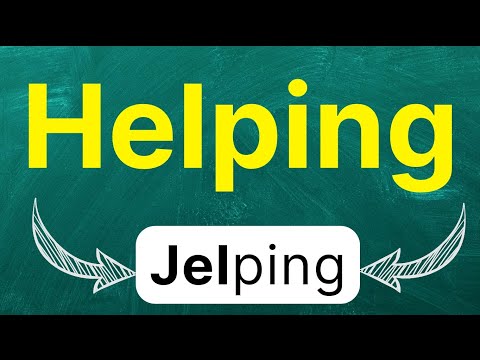
🇺🇸 IPA americano
🇬🇧 IPA británico
DEFINICIÓN:
Traducción y definición de helping. Significados más comunes.
helping como verbo
ayudar— proporcionar asistencia o apoyo a alguien para que logre algohelping como sustantivo
ayuda, asistencia, auxilio— acción de proporcionar apoyo, asistencia o colaboración a alguien; porción de comida servidaDato curioso
El verbo 'help' es uno de los más antiguos del inglés, con raíces germánicas. 'Helping' forma parte del presente continuo y es muy común en conversaciones cotidianas.
ORACIONES DE EJEMPLO USANDO
helping:
[¿Estás ayudando a tu madre con la cocina?]
Are you helping your mother with the cooking?
ERRORES COMUNES AL USAR
helping:
helping como forma verbo
He is help me with the project.
He is helping me with the project.
Después del auxiliar 'is' en presente continuo debe usarse el gerundio 'helping', no el infinitivo 'help'.
They helped to finish the work yesterday.
They helped finish the work yesterday. / They helped to finish the work yesterday.
Con 'help' ambas formas son válidas, pero sin 'to' es más natural en inglés americano.
helping como forma sustantivo
I need helpings from my friends.
I need help from my friends.
Cuando significa asistencia general, se usa 'help' (incontable), no 'helpings'
A helping of water, please.
A glass of water, please.
'Helping' se usa para porciones de comida sólida, no para líquidos
TIPS GRAMATICALES AL USAR
helping:
helping como forma verbo
Como verbo, 'help' puede ir seguido de un infinitivo con o sin 'to': 'Help me solve this' o 'Help me to solve this' (ambas son correctas).
En presente continuo, 'helping' se forma con el auxiliar 'be': 'I am helping', 'you are helping', 'he/she/it is helping'.
helping como forma sustantivo
Como sustantivo, 'helping' es contable en el contexto de comida (two helpings, three helpings) pero incontable cuando denota asistencia general (helping is appreciated)
El sustantivo 'helping' se usa frecuentemente en la expresión idiomática 'a helping hand'
"COLLOCATIONS" COMBINACIONES HABITUALES DE
helping:
helping como forma verbo
helping como forma sustantivo
SINÓNIMOS Y ANTÓNIMOS DE
helping:
helping como verbo
Sinónimos
Antónimos
helping como sustantivo
Sinónimos
Antónimos
MODISMOS Y EXPRESIONES IDIOMÁTICAS DE
helping:
"can't help but"
no poder evitar hacer algo, algo inevitable
I can't help but laugh at his jokes.
"help oneself"
servirse a sí mismo, tomar algo sin permiso
Please help yourself to some coffee.
"lend a hand / help"
echar una mano, ayudar
Can you lend a hand helping with the project?
"a helping hand"
una mano amiga, apoyo o asistencia
We gave them a helping hand with the project.
"helping out"
prestar ayuda, colaborar, echar una mano
She's always helping out at the community center.
PHRASAL VERBS / VERBOS FRASALES USANDO
helping:
help out
echar una mano, asistir en una situación de necesidad
Can you help out in the kitchen?
help someone out of
ayudar a alguien a salir de una situación difícil
My friend helped me out of a difficult situation.
JUEGOS Y EJERCICIOS INTERACTIVOS USANDO
helping:
PALABRAS RELACIONADAS DE
helping: