Inicio›Diccionario›giant
giant
sustantivoadjetivoPRONUNCIACIÓN:
¿Cómo se pronuncia giant en inglés correctamente y fácil?
Pronunciación americana para hispanos. Las letras en negrita se pronuncian más fuerte.
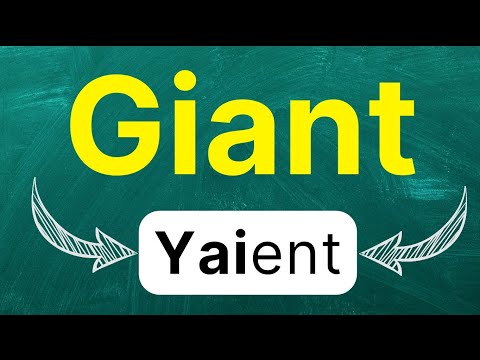
🇺🇸 IPA americano
🇬🇧 IPA británico
DEFINICIÓN:
Traducción y definición de giant. Significados más comunes.
giant como sustantivo
gigante— Criatura o persona de tamaño extraordinariamente grande, muchas veces mitológica o legendariagiant como adjetivo
gigante, enorme— De tamaño extraordinariamente grande, mucho más grande que lo normalDato curioso
En la mitología griega, los gigantes (Titanes) eran seres colosales que luchaban contra los dioses. La palabra proviene del griego 'gigas'.
ORACIONES DE EJEMPLO USANDO
giant:
[¿Crees que los gigantes existieron en tiempos antiguos?]
Do you believe that giants existed in ancient times?
ERRORES COMUNES AL USAR
giant:
giant como forma sustantivo
He is a giant man.
He is a giant. / He is a very tall man.
Cuando 'giant' se usa como sustantivo no debe combinarse simultáneamente con otro sustantivo como atributo. Si quieres enfatizar tamaño, usa 'He is a giant' o evita usar 'giant' como adjetivo.
The giants of the mountain was seen.
The giant of the mountain was seen.
Concordancia singular: 'giant' en singular requiere verbo singular 'was'.
giant como forma adjetivo
The giant company
The giant company o The huge company
Aunque gramaticalmente correcto, es más natural usar 'huge', 'enormous' o 'major' para empresas grandes; 'giant' se prefiere para tamaño físico real
A giant big problem
A giant problem o A big problem
No se debe usar 'giant' y 'big' juntos; son redundantes
TIPS GRAMATICALES AL USAR
giant:
giant como forma sustantivo
Como sustantivo contable, 'giant' puede usarse con artículos: 'a giant', 'the giant'
El plural regular es 'giants'
giant como forma adjetivo
Como adjetivo, 'giant' se coloca delante del sustantivo que modifica: 'giant elephant', 'giant wave'
No confundas el adjetivo 'giant' con el sustantivo 'a giant' (un gigante). Como adjetivo no va precedido de artículo
"COLLOCATIONS" COMBINACIONES HABITUALES DE
giant:
giant como forma sustantivo
giant como forma adjetivo
SINÓNIMOS Y ANTÓNIMOS DE
giant:
MODISMOS Y EXPRESIONES IDIOMÁTICAS DE
giant:
"stand on the shoulders of giants"
Beneficiarse del conocimiento o logros de quienes nos precedieron
Modern scientists stand on the shoulders of giants in their research.
"a giant among men"
Una persona excepcional y destacada en su campo
Einstein was a giant among men in the world of physics.
"giant leap"
Un avance muy significativo; un progreso importante
Landing on the moon was a giant leap for mankind.
"giant steps"
Progresos rápidos y significativos hacia un objetivo
The company is making giant steps in technology.
JUEGOS Y EJERCICIOS INTERACTIVOS USANDO
giant: