Inicio›Diccionario›little
little
adjetivodeterminantePRONUNCIACIÓN:
¿Cómo se pronuncia little en inglés correctamente y fácil?
Pronunciación americana para hispanos. Las letras en negrita se pronuncian más fuerte.
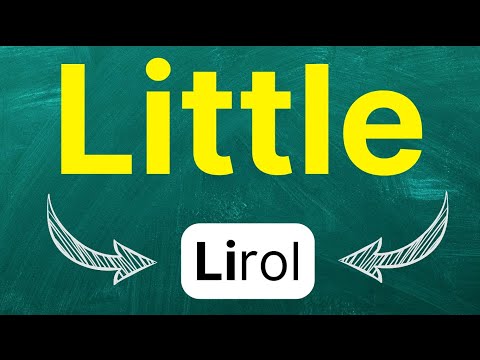
🇺🇸 IPA americano
🇬🇧 IPA británico
DEFINICIÓN:
Traducción y definición de little. Significados más comunes.
little como adjetivo
pequeño, poco— de tamaño reducido o cantidad escasa; que tiene menos importancia o gravedadlittle como determinante
poco, poca, pocos, pocas— determinante que indica una cantidad pequeña o insuficiente de algo contable o incontableDato curioso
En inglés antiguo, 'little' proviene del proto-germánico y originalmente significaba 'que se puede dividir fácilmente'. La palabra ha sido usada de forma consistente durante más de mil años.
ORACIONES DE EJEMPLO USANDO
little:
[¿Tiene tu hija una hermana pequeña?]
Does your daughter have a little sister?
ERRORES COMUNES AL USAR
little:
little como forma adjetivo
I have few money
I have little money
'Little' se usa con sustantivos incontables; 'few' se usa con contables
a little big house
a little house o a big house
'Little' y 'big' son adjetivos contradictorios; no se usan juntos
little como forma determinante
little people attended the meeting
few people attended the meeting
Usa 'few' con sustantivos contables plurales, no 'little'
There is little of information available
There is little information available
Como determinante, no se usa 'of' después de 'little'; va directamente antes del sustantivo
TIPS GRAMATICALES AL USAR
little:
little como forma adjetivo
Como adjetivo, 'little' precede al sustantivo: 'little house', 'little child'
Para indicar cantidad pequeña de algo incontable, usa 'little'; para cantidad pequeña de algo contable, usa 'few': 'little water' vs 'few people'
little como forma determinante
Como determinante, 'little' va ANTES del sustantivo incontable sin artículo: 'little water', no 'little of water'
Úsalo con sustantivos incontables (water, information, time, money, hope, doubt)
"COLLOCATIONS" COMBINACIONES HABITUALES DE
little:
little como forma adjetivo
little como forma determinante
SINÓNIMOS Y ANTÓNIMOS DE
little:
MODISMOS Y EXPRESIONES IDIOMÁTICAS DE
little:
"a little bird told me"
alguien me lo contó en secreto; me enteré por vías indirectas
A little bird told me about your promotion.
"think little of"
tener una opinión baja de alguien o algo; despreciar
He thinks little of her abilities.
"make little of"
minimizar la importancia de algo
Don't make little of his achievements.
"every little helps"
cada pequeña contribución es valiosa
I know it's just five dollars, but every little helps.
"little by little"
poco a poco, gradualmente
Little by little, he improved his English skills.
JUEGOS Y EJERCICIOS INTERACTIVOS USANDO
little: