Inicio›Diccionario›arrived
arrived
verboPRONUNCIACIÓN:
¿Cómo se pronuncia arrived en inglés correctamente y fácil?
Pronunciación americana para hispanos. Las letras en negrita se pronuncian más fuerte.
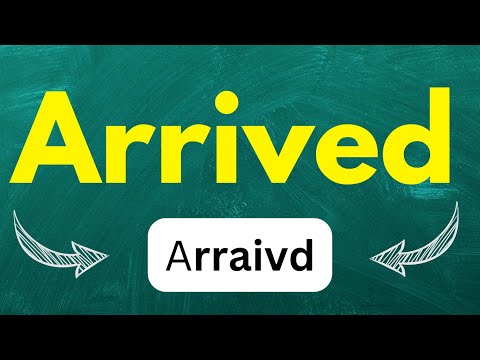
🇺🇸 IPA americano
🇬🇧 IPA británico
DEFINICIÓN:
Traducción y definición de arrived. Significados más comunes.
arrived como verbo
llegó, ha llegado— Forma de pasado simple y pasado participio del verbo 'arrive'. Significa llegar a un lugar o momento después de un viaje.Dato curioso
El verbo 'arrive' proviene del latín 'ad' (a) + 'ripa' (orilla), literalmente 'llegar a la orilla'. Se usa en contextos de viajes, eventos y momentos importantes.
ORACIONES DE EJEMPLO USANDO
arrived:
[¿A qué hora llega el tren?]
What time does the train arrive?
ERRORES COMUNES AL USAR
arrived:
I arrived to the airport
I arrived at the airport
Con 'arrive' se usa 'at' para lugares específicos (estaciones, aeropuertos), no 'to'. 'To' se usa como infinitivo: 'I want to arrive early'.
She is arrived yesterday
She arrived yesterday
'Arrived' en pasado simple no lleva verbo auxiliar. 'Is arrived' es incorrecto. Solo: 'She arrived yesterday'.
TIPS GRAMATICALES AL USAR
arrived:
En Presente Perfecto, 'arrived' es el pasado participio: 'have/has arrived'. Uso: He has arrived = Ha llegado (acción pasada con efecto presente).
No confundas el pasado simple 'arrived' con el presente perfecto 'has/have arrived': 'I arrived yesterday' vs 'I have arrived' (sin tiempo específico).
"COLLOCATIONS" COMBINACIONES HABITUALES DE
arrived:
MODISMOS Y EXPRESIONES IDIOMÁTICAS DE
arrived:
"arrive at a conclusion"
llegar a una conclusión
After analyzing the data, we arrived at a conclusion.
"arrive on the scene"
llegar al lugar de los hechos
The police arrived on the scene quickly.
PHRASAL VERBS / VERBOS FRASALES USANDO
arrived:
arrive at
llegar a (un lugar específico o conclusión)
When did you arrive at the station?
JUEGOS Y EJERCICIOS INTERACTIVOS USANDO
arrived:
PALABRAS RELACIONADAS DE
arrived: