Inicio›Diccionario›interesting
interesting
adjetivoverboPRONUNCIACIÓN:
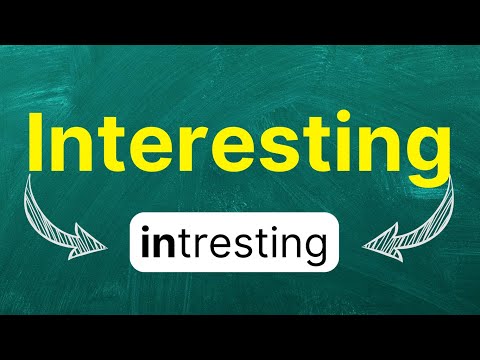
¿Cómo se pronuncia interesting en inglés correctamente y fácil?
Pronunciación americana para hispanos. Las letras en negrita se pronuncian más fuerte.
🇺🇸 IPA americano
🇬🇧 IPA británico
DEFINICIÓN:
Traducción y definición de interesting. Significados más comunes.
interesting como adjetivo
interesante— Que despierta curiosidad, atención o interés; que resulta atractivo o cautivadorinteresting como verbo
interesar, causar interés— captar la atención o curiosidad de alguien; hacer que algo resulte atractivo o digno de atenciónDato curioso
La palabra 'interesting' proviene del latín 'interesse' (importar), y originalmente significaba 'afectar o concernir a alguien'
ORACIONES DE EJEMPLO USANDO
interesting:
[¿Es este libro interesante para ti?]
Is this book interesting to you?
ERRORES COMUNES AL USAR
interesting:
interesting como forma adjetivo
The book is very interested.
The book is very interesting.
'Interested' describe a la persona que siente interés, mientras que 'interesting' describe al objeto o cosa que lo produce. El libro es interesante, la persona está interesada.
This is interesting work very.
This is very interesting work.
Los adverbios intensificadores como 'very' van antes del adjetivo, no después
interesting como forma verbo
I am interesting in sports.
I am interested in sports.
Debes usar 'interested' (participio pasado como adjetivo) con 'be', no el participio presente 'interesting'
This book interesting me.
This book interests me.
El sujeto 'book' (tercera persona singular) requiere 'interests' con -s, no 'interesting'
TIPS GRAMATICALES AL USAR
interesting:
interesting como forma adjetivo
Como adjetivo, 'interesting' modifica directamente sustantivos (an interesting book, an interesting person)
Puede usarse predicativamente después de verbos como 'be', 'seem', 'appear' (The idea is interesting)
interesting como forma verbo
El verbo 'interest' casi siempre se usa en forma transitiva: necesita un objeto directo (interest + someone)
En inglés moderno, es más común usar la estructura pasiva 'be interested in' que el verbo activo 'interest someone'
"COLLOCATIONS" COMBINACIONES HABITUALES DE
interesting:
interesting como forma adjetivo
interesting como forma verbo
SINÓNIMOS Y ANTÓNIMOS DE
interesting:
interesting como adjetivo
Sinónimos
Antónimos
MODISMOS Y EXPRESIONES IDIOMÁTICAS DE
interesting:
"an interesting turn of events"
un giro inesperado o sorprendente de los eventos
It was an interesting turn of events when he decided to quit his job.
"that's interesting"
expresión que indica sorpresa o curiosidad sobre algo
That's interesting, I never thought about it that way.
"interest someone in something"
lograr que alguien se sienta atraído o curioso por algo
Can you interest him in joining our team?
"vested interest"
interés personal o beneficio directo en algo
She has a vested interest in the company's success.
PHRASAL VERBS / VERBOS FRASALES USANDO
interesting:
interest in
interesar en, provocar interés en
Can you interest them in this investment opportunity?
JUEGOS Y EJERCICIOS INTERACTIVOS USANDO
interesting:
PALABRAS RELACIONADAS DE
interesting: