Inicio›Diccionario›mouth
mouth
sustantivoverboPRONUNCIACIÓN:
¿Cómo se pronuncia mouth en inglés correctamente y fácil?
Pronunciación americana para hispanos. Las letras en negrita se pronuncian más fuerte.
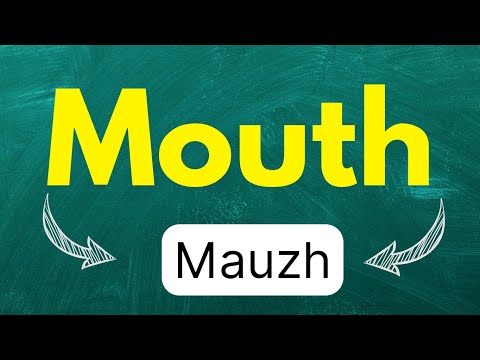
🇺🇸 IPA americano
🇬🇧 IPA británico
DEFINICIÓN:
Traducción y definición de mouth. Significados más comunes.
mouth como sustantivo
boca— Abertura en la cara por donde entra la comida y sale la voz; cavidad bucal con lengua, dientes y labiosmouth como verbo
articular, pronunciar, recitar mecánicamente— Pronunciar palabras o sonidos con los labios y la boca, frecuentemente sin sinceridad o convicción, o recitar algo de memoria sin comprensión realDato curioso
La palabra 'mouth' viene del inglés antiguo 'muð' y tiene cognados en otras lenguas germánicas como el alemán 'Mund'
ORACIONES DE EJEMPLO USANDO
mouth:
[¿Te duele la boca después de la cita con el dentista?]
Does your mouth hurt after the dentist appointment?
ERRORES COMUNES AL USAR
mouth:
mouth como forma sustantivo
I have a pain in my month.
I have a pain in my mouth.
'Month' se refiere a un mes del año; 'mouth' es la boca
The mouthes are open.
The mouths are open.
El plural de 'mouth' es 'mouths', no 'mouthes'
mouth como forma verbo
He mouthed to me the answer.
He mouthed the answer to me.
La preposición 'to' debe venir después del objeto directo, no antes
She is mouth the words.
She is mouthing the words.
Al formar el gerundio, 'mouth' se convierte en 'mouthing', no 'mouth'
TIPS GRAMATICALES AL USAR
mouth:
mouth como forma sustantivo
Mouth es un sustantivo contable; su plural es 'mouths'
Se puede usar con artículos definidos e indefinidos: 'the mouth', 'a mouth'
mouth como forma verbo
Como verbo, 'mouth' es regular: mouth → mouthed → mouthed
Se usa frecuentemente en contextos donde hay una falta de sinceridad o convicción
"COLLOCATIONS" COMBINACIONES HABITUALES DE
mouth:
mouth como forma sustantivo
mouth como forma verbo
SINÓNIMOS Y ANTÓNIMOS DE
mouth:
MODISMOS Y EXPRESIONES IDIOMÁTICAS DE
mouth:
"big mouth"
persona que no sabe guardar secretos, chismoso
Don't tell him anything; he has a big mouth.
"mouth off"
hablar de manera grosera o descarada
He mouthed off to his boss and got fired.
"keep one's mouth shut"
guardar silencio, no hablar
You should keep your mouth shut about this matter.
"word of mouth"
publicidad boca a boca, por referencias verbales
The restaurant became famous through word of mouth.
"put words in someone's mouth"
atribuir palabras a alguien que no dijo
You're putting words in my mouth; I never said that.
PHRASAL VERBS / VERBOS FRASALES USANDO
mouth:
mouth off
hablar sin respetar, ser grosero verbalmente
Don't mouth off to your parents.
JUEGOS Y EJERCICIOS INTERACTIVOS USANDO
mouth: