Inicio›Diccionario›over
over
adjetivopreposiciónsustantivoPRONUNCIACIÓN:
¿Cómo se pronuncia over en inglés correctamente y fácil?
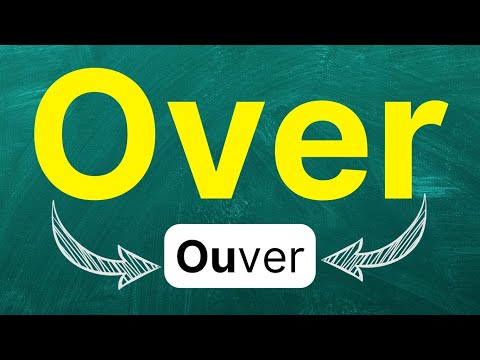
🇺🇸 IPA americano
🇬🇧 IPA británico
DEFINICIÓN:
Traducción y definición de over. Significados más comunes.
over como adjetivo
terminado, acabado, finalizado— que ha llegado a su fin o conclusión; que ha terminadoover como preposición
sobre, encima de, por encima de, durante— Preposición que indica posición o movimiento por encima de algo, o extensión temporal de un períodoover como sustantivo
sobra, exceso, vuelta— En críquet, serie de seis lanzamientos consecutivos; también puede referirse a algo que sobra o excede lo esperadoDato curioso
Como adjetivo, 'over' es muy común en inglés cotidiano para expresar que algo ha terminado, especialmente en contextos deportivos y de relaciones personales
ORACIONES DE EJEMPLO USANDO
over:
[¿Ha terminado la reunión?]
Is the meeting over?
ERRORES COMUNES AL USAR
over:
over como forma adjetivo
The over project
The finished project / The completed project
'Over' no se usa como adjetivo atributivo (antes del sustantivo), solo como predicativo
Is the exam over? Yes, is over.
Is the exam over? Yes, it is.
Después de 'is' debe ir un pronombre antes de 'over'
over como forma preposición
The cat jumped over the wall and landed over it.
The cat jumped over the wall and landed on it.
Después de 'landed' se usa 'on' (en), no 'over' (sobre)
I studied during over three hours.
I studied for over three hours.
Con duración temporal se usa 'for over', no 'during over'
over como forma sustantivo
He played a good over.
He bowled/delivered a good over.
En críquet, no se 'juega' un over, se 'lanza' (bowl) o se 'entrega' (deliver)
There are many overs in cricket.
There are a fixed number of overs in cricket.
Es más preciso especificar que el número de overs es fijo según el formato del juego
TIPS GRAMATICALES AL USAR
over:
over como forma adjetivo
Como adjetivo predicativo, 'over' generalmente viene después del verbo 'to be': 'The game is over'
No se utiliza típicamente como adjetivo atributivo (antes del sustantivo), a diferencia de otros adjetivos
over como forma preposición
Over indica movimiento o posición por encima de algo en el espacio
Over también expresa duración temporal: 'over the summer', 'over a period of time'
over como forma sustantivo
Como sustantivo, 'over' es contable, por lo que tiene plural: overs
En contexto de críquet, siempre lleva artículo: 'an over' o 'the over'
"COLLOCATIONS" COMBINACIONES HABITUALES DE
over:
over como forma adjetivo
over como forma preposición
over como forma sustantivo
SINÓNIMOS Y ANTÓNIMOS DE
over:
over como adjetivo
Sinónimos
Antónimos
over como preposición
Sinónimos
Antónimos
MODISMOS Y EXPRESIONES IDIOMÁTICAS DE
over:
"it's over"
ha terminado, se acabó
It's over between us.
"over and done with"
completamente terminado y olvidado
I'm glad that argument is over and done with.
"over the moon"
estar extremadamente feliz o entusiasmado
She was over the moon about her promotion.
"over the top"
excesivo, exagerado, ir demasiado lejos
His reaction was completely over the top.
"get over"
superar, recuperarse de algo
It took him months to get over the loss.
"all over"
por todas partes, terminado
The news spread all over the city.
"over and over"
repetidamente, muchas veces
He practiced the same over and over again.
PHRASAL VERBS / VERBOS FRASALES USANDO
over:
over with
terminado, acabado
Once the exam is over with, we can relax.
go over
repasar, revisar, examinar
Let's go over the plan before we start.
bowl over
derribar, sorprender enormemente
The unexpected news really bowled him over.
JUEGOS Y EJERCICIOS INTERACTIVOS USANDO
over: