Inicio›Diccionario›wind
wind
sustantivoverboPRONUNCIACIÓN:
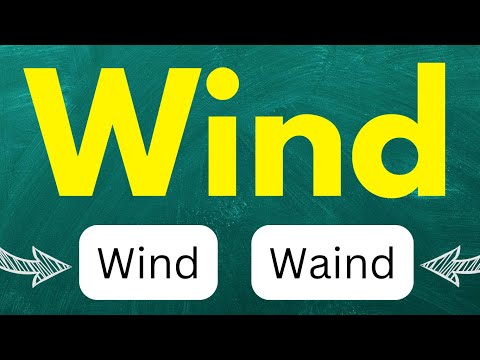
¿Cómo se pronuncia wind en inglés correctamente y fácil?
Pronunciación americana para hispanos. Las letras en negrita se pronuncian más fuerte.
🇺🇸 IPA americano
🇬🇧 IPA británico
DEFINICIÓN:
Traducción y definición de wind. Significados más comunes.
wind como sustantivo
viento— Movimiento del aire atmosférico causado por diferencias de temperatura y presiónwind como verbo
enrollar, bobinar, serpentear— enrollar algo alrededor de un eje o núcleo, o seguir un camino sinuosoDato curioso
La palabra 'wind' como sustantivo es homófona con el verbo 'wind' (/waɪnd/), pero tienen pronunciaciones completamente diferentes
ORACIONES DE EJEMPLO USANDO
wind:
[¿Sopla el viento con fuerza en tu área?]
Does the wind blow strongly in your area?
ERRORES COMUNES AL USAR
wind:
wind como forma sustantivo
The wind is very strong today, isn't it a beautiful breeze?
The wind is very strong today, isn't it a forceful breeze?
'Beautiful' no es adecuado para un viento fuerte; mejor usar 'forceful' o 'powerful'
I feel the winds on my face
I feel the wind on my face
El viento en contexto singular se usa sin plural a menos que hables de múltiples tipos de vientos
wind como forma verbo
I winded the clock yesterday.
I wound the clock yesterday.
'Winded' es un adjetivo (sin aliento). El pasado simple de 'wind' es 'wound'.
She is wind the rope.
She is winding the rope.
Con 'to be', se usa el gerundio '-ing': 'winding', no la forma base.
TIPS GRAMATICALES AL USAR
wind:
wind como forma sustantivo
Wind como sustantivo es un nombre contable: 'a wind' (un viento), 'winds' (vientos), 'the wind' (el viento)
Se puede usar sin artículo en contextos generales: 'Wind power is renewable energy'
wind como forma verbo
El pasado simple es 'wound' /waʊnd/, no 'winded'. 'Winded' es un adjetivo que significa 'sin aliento'.
El participio pasado también es 'wound': 'I have wound the clock.'
"COLLOCATIONS" COMBINACIONES HABITUALES DE
wind:
wind como forma sustantivo
wind como forma verbo
SINÓNIMOS Y ANTÓNIMOS DE
wind:
MODISMOS Y EXPRESIONES IDIOMÁTICAS DE
wind:
"break the wind"
Romper el viento; adelantarse a alguien
The cyclist tried to break the wind for her teammate.
"get wind of something"
Enterarse de algo, recibir noticias
I got wind of the surprise party last week.
"throw caution to the wind"
Arrojarse al viento; actuar sin precaución
She threw caution to the wind and quit her job.
"sail close to the wind"
Navegar cerca del viento; actuar de manera arriesgada
His business practices sail close to the wind.
"wind someone up"
provocar o irritar a alguien deliberadamente
Stop winding me up with your jokes!
"wind down"
relajarse después de algo estresante
I like to wind down with tea after work.
PHRASAL VERBS / VERBOS FRASALES USANDO
wind:
wind down (como sustantivo en contexto)
Se usa más como verbo, pero aquí se refiere a la reducción del viento
The wind dies down in the evening.
wind up
terminar, concluir; dar cuerda a; enroscarse
We wound up at the restaurant by chance.
wind down
disminuir, reducir gradualmente; relajarse
The project is winding down next month.
wind off
desenrollar gradualmente
Wind off the tape from the reel.
JUEGOS Y EJERCICIOS INTERACTIVOS USANDO
wind: