Inicio›Diccionario›key
key
sustantivoadjetivoverboPRONUNCIACIÓN:
¿Cómo se pronuncia key en inglés correctamente y fácil?
Pronunciación americana para hispanos. Las letras en negrita se pronuncian más fuerte.
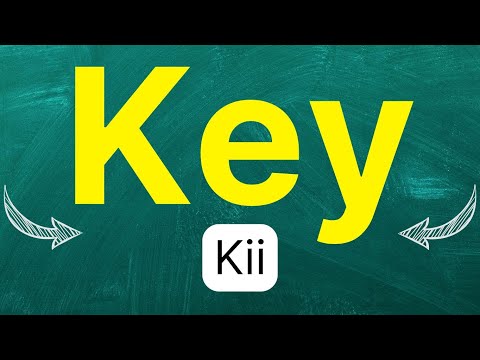
🇺🇸 IPA americano
🇬🇧 IPA británico
DEFINICIÓN:
Traducción y definición de key. Significados más comunes.
key como sustantivo
llave, clave— Objeto de metal que abre o cierra una cerradura; también significa algo esencial o fundamental para resolver un problemakey como adjetivo
clave, principal, esencial— De gran importancia o significado; fundamental o decisivo en una situaciónkey como verbo
teclear, pulsar una tecla, cifrar con clave— pulsar o presionar una tecla en un teclado; también significa cifrar información usando una clave criptográficaDato curioso
La palabra 'key' proviene del inglés antiguo 'cæg' y tiene la misma pronunciación en inglés británico y americano, aunque se escriba igual
ORACIONES DE EJEMPLO USANDO
key:
[¿Dónde está la llave de la puerta principal?]
Where is the key to the front door?
ERRORES COMUNES AL USAR
key:
key como forma sustantivo
I lost my keys yesterday and I need to find it.
I lost my keys yesterday and I need to find them.
Keys es plural, por lo que debe ir con 'them', no con 'it'
The key of the car is on the table.
The car key is on the table.
Es más natural usar el sustantivo como adjetivo compuesto (car key) que usar 'of'
key como forma adjetivo
a very key important factor
a key important factor / a very important factor
'Key' ya implica importancia; combinar con 'important' es redundante
the most key person
the most important person / the key person
'Key' no forma superlativo con 'most'; es preferible usar 'important' o mantener 'key' sin comparación
key como forma verbo
She key the information yesterday.
She keyed the information yesterday.
En pasado simple, 'key' se convierte en 'keyed', no se mantiene la forma base
He is keying in the data now, isn't he?
He is keying in the data now, isn't he?
Esta forma es correcta; 'keying' es el gerundio correcto
TIPS GRAMATICALES AL USAR
key:
key como forma sustantivo
Como sustantivo contable, 'key' forma el plural como 'keys': I have three keys on my keychain.
Generalmente va acompañado de artículos (a, the) o adjetivos posesivos: the key, my key, a spare key.
key como forma adjetivo
Como adjetivo, 'key' siempre precede al sustantivo: 'key person', 'key issue', nunca 'person key'
No cambia según género ni número: sirve igual para sustantivos singulares y plurales
key como forma verbo
Como verbo regular, 'key' forma el pasado y participio pasado agregando '-ed': keyed
En presente con tercera persona singular se agrega '-s': keys
"COLLOCATIONS" COMBINACIONES HABITUALES DE
key:
key como forma sustantivo
key como forma adjetivo
key como forma verbo
SINÓNIMOS Y ANTÓNIMOS DE
key:
MODISMOS Y EXPRESIONES IDIOMÁTICAS DE
key:
"the key to something"
la solución o elemento esencial para algo
Good communication is the key to a healthy relationship.
"turn the key"
girar la llave para abrir o cerrar
Turn the key slowly to unlock the door.
"under the key"
bajo llave, guardado con seguridad
Keep the documents under the key in a safe place.
"key to success"
elemento fundamental para el éxito (usado como sustantivo, pero en forma verbal: 'to key something')
The system needs to key the algorithm correctly.
PHRASAL VERBS / VERBOS FRASALES USANDO
key:
key in
introducir información, escribir en el teclado
Please key in your password.
key out
escribir mediante el teclado
She keyed out the entire document on her laptop.
key up
poner tenso o nervioso
The situation keyed up all the participants.
JUEGOS Y EJERCICIOS INTERACTIVOS USANDO
key: