Inicio›Diccionario›trouble
trouble
sustantivoverboPRONUNCIACIÓN:
¿Cómo se pronuncia trouble en inglés correctamente y fácil?
Pronunciación americana para hispanos. Las letras en negrita se pronuncian más fuerte.
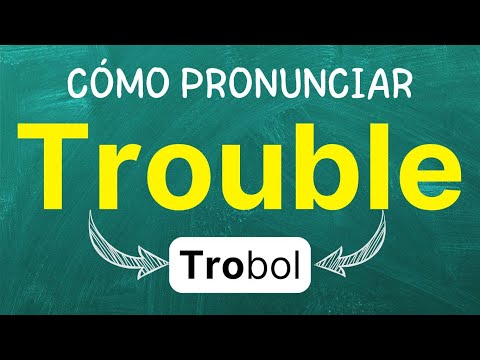
🇺🇸 IPA americano
🇬🇧 IPA británico
DEFINICIÓN:
Traducción y definición de trouble. Significados más comunes.
trouble como sustantivo
problema, dificultad, apuro— Una situación difícil, problemática o que causa inconvenientes o preocupacióntrouble como verbo
molestar, preocupar, causar problemas— Causar molestia, inconveniente o preocupación a alguien; perturbar la paz o el bienestarDato curioso
La palabra 'trouble' viene del francés antiguo 'torbler' (confundir), que a su vez proviene del latín 'turbulare' (agitar, perturbar)
ORACIONES DE EJEMPLO USANDO
trouble:
[¿Qué tipo de problema estás enfrentando ahora mismo?]
What kind of trouble are you facing right now?
ERRORES COMUNES AL USAR
trouble:
trouble como forma sustantivo
I have a trouble sleeping.
I have trouble sleeping. / I have a hard time sleeping.
El sustantivo 'trouble' sin artículo es más común en contextos de dificultad; con 'a trouble' suena poco natural
He has many troubles of money.
He has many financial troubles. / He has money troubles.
La preposición correcta es la adjetival (financial troubles) o sin preposición (money troubles), no 'of'
trouble como forma verbo
Trouble me with that.
Don't trouble me with that.
Sin 'don't', la frase suena como una orden. El contexto negativo es más natural en inglés
This troubles to him.
This troubles him.
No se usa 'to' después de 'trouble' cuando tiene un objeto directo personal
TIPS GRAMATICALES AL USAR
trouble:
trouble como forma sustantivo
El sustantivo 'trouble' es contable e incontable: puede usarse en singular ('a trouble') o sin artículo ('trouble' en general)
Se usa a menudo con artículos indefinidos para problemas específicos: 'a lot of trouble', 'some trouble', 'a little trouble'
trouble como forma verbo
Es un verbo transitivo regular: necesita un objeto directo (trouble + sustantivo/pronombre)
Se puede usar en forma reflexiva: 'trouble oneself' (molestarse a sí mismo)
"COLLOCATIONS" COMBINACIONES HABITUALES DE
trouble:
trouble como forma sustantivo
trouble como forma verbo
SINÓNIMOS Y ANTÓNIMOS DE
trouble:
MODISMOS Y EXPRESIONES IDIOMÁTICAS DE
trouble:
"in trouble"
en problemas, en apuros
He is in big trouble after losing his job.
"ask for trouble"
buscarse problemas, provocar dificultades
Driving so fast is asking for trouble.
"double trouble"
doble problema, complicación mayor
With twins arriving, we're expecting double trouble.
"go to the trouble of doing something"
tomarse la molestia de hacer algo
She went to the trouble of preparing a special dinner.
"trouble oneself"
molestarse en hacer algo, tomarse la molestia
Don't trouble yourself with that task.
PHRASAL VERBS / VERBOS FRASALES USANDO
trouble:
trouble with
tener dificultad con algo (aunque 'with' sigue al sustantivo, puede actuar como complemento)
The trouble with this plan is that it costs too much.
trouble up
perturbar, causar molestia adicional
Don't trouble up the situation further.
JUEGOS Y EJERCICIOS INTERACTIVOS USANDO
trouble:
PALABRAS RELACIONADAS DE
trouble: