Inicio›Diccionario›change
change
verbosustantivoPRONUNCIACIÓN:
¿Cómo se pronuncia change en inglés correctamente y fácil?
Pronunciación americana para hispanos. Las letras en negrita se pronuncian más fuerte.
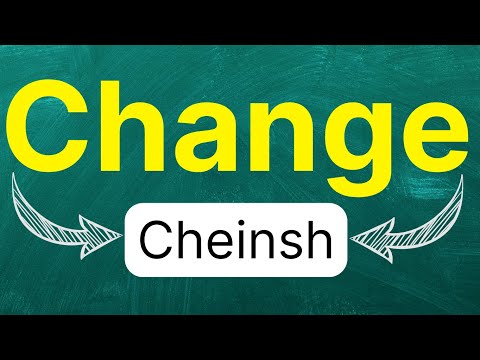
🇺🇸 IPA americano
🇬🇧 IPA británico
DEFINICIÓN:
Traducción y definición de change. Significados más comunes.
change como verbo
cambiar, modificar— hacer que algo sea diferente o convertirse en algo diferentechange como sustantivo
cambio— La acción o resultado de hacer que algo sea diferente; dinero en monedas o billetes de menor denominaciónDato curioso
El verbo 'change' proviene del francés antiguo 'changier' y originalmente se refería al intercambio de monedas.
ORACIONES DE EJEMPLO USANDO
change:
[¿Cambia ella de opinión frecuentemente?]
Does she change her mind often?
ERRORES COMUNES AL USAR
change:
change como forma verbo
She is changing her mind yesterday.
She changed her mind yesterday.
No se usa presente continuo con acciones pasadas completadas; se usa pasado simple
I will change my clothes tomorrow.
I will change my clothes tomorrow. (correcto) / I'm going to change my clothes tomorrow.
Ambas formas son correctas; will es menos frecuente en este contexto coloquial
change como forma sustantivo
I need to make a change
I need to make changes o I need to make a change in my life
Si 'change' va seguido directamente, necesita artículo o preposición. 'Make a change' es correcto cuando se entiende implícitamente.
the change is very quickly
the change is very quick o the change happens very quickly
'Change' como sustantivo necesita un adjetivo (quick) no un adverbio (quickly). Para el adverbio, usa un verbo como 'happens'.
TIPS GRAMATICALES AL USAR
change:
change como forma verbo
Change es un verbo regular: change - changed - changed
En tercera persona singular presente: he/she/it changes (agrega -s)
change como forma sustantivo
Change como sustantivo es contable (a change, changes) e incontable (change como dinero suelto). Usa 'a change of' cuando vayas seguido de un sustantivo: 'a change of plans', 'a change of clothes'.
Cuando change se refiere a dinero, es típicamente incontable: 'I need change for the bus' (necesito cambio para el autobús).
"COLLOCATIONS" COMBINACIONES HABITUALES DE
change:
change como forma verbo
change como forma sustantivo
SINÓNIMOS Y ANTÓNIMOS DE
change:
change como sustantivo
Sinónimos
Antónimos
MODISMOS Y EXPRESIONES IDIOMÁTICAS DE
change:
"change of heart"
cambio de opinión o sentimiento
He had a change of heart and decided to stay.
"change tune"
cambiar de opinión o actitud
After the meeting, he changed his tune.
"change for the better"
cambiar para mejorar
The situation has changed for the better.
"a change of heart"
Un cambio de opinión o sentimiento
After thinking about it, he had a change of heart about moving abroad.
"for a change"
Para variar, como algo diferente
Let's go to the park for a change instead of watching TV.
"change of pace"
Un cambio en el ritmo o la velocidad; algo diferente
Working on a different project is a nice change of pace.
PHRASAL VERBS / VERBOS FRASALES USANDO
change:
change into
transformarse en, convertirse en
The caterpillar will change into a butterfly.
change over
pasar de uno a otro, intercambiar
We changed over to a new system.
change up
variar, hacer algo diferente
Let's change up our routine.
bring about change
Provocar o causar cambio
New leadership will bring about change in the organization.
drive change
Impulsar el cambio
Innovation drives change in the technology sector.
resist change
Resistirse al cambio
Some employees resist change due to fear of the unknown.
JUEGOS Y EJERCICIOS INTERACTIVOS USANDO
change: