Inicio›Diccionario›drive
drive
verbosustantivoPRONUNCIACIÓN:
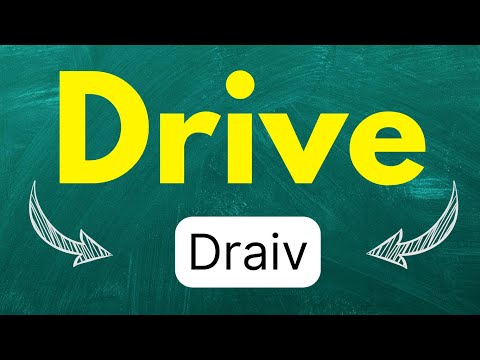
¿Cómo se pronuncia drive en inglés correctamente y fácil?
Pronunciación americana para hispanos. Las letras en negrita se pronuncian más fuerte.
🇺🇸 IPA americano
🇬🇧 IPA británico
DEFINICIÓN:
Traducción y definición de drive. Significados más comunes.
drive como verbo
conducir, manejar, impulsar, empujar— operar un vehículo motorizado; impulsar algo o a alguien con fuerza hacia adelantedrive como sustantivo
unidad, impulso, pasión, viaje en coche, campaña— Un dispositivo de almacenamiento de datos en una computadora, o la motivación/energía para lograr algo, o un viaje en vehículoDato curioso
El verbo 'drive' tiene origen germánico antiguo. En inglés británico se prefiere 'drive' para automóviles, mientras que en americano es igual, pero 'drive' también significa 'conducir un negocio' en contextos figurados.
ORACIONES DE EJEMPLO USANDO
drive:
[¿Conduces al trabajo todos los días?]
Do you drive to work every day?
ERRORES COMUNES AL USAR
drive:
drive como forma verbo
He drive to work.
He drives to work.
En tercera persona singular presente debe llevar 's'
I have drive there before.
I have driven there before.
Con 'have', se usa el participio pasado 'driven', no la forma base
drive como forma sustantivo
He has a strong drive to success.
He has a strong drive for success.
La preposición correcta con 'drive' (impulso) es 'for', no 'to'.
The drives are many in the office.
There are many drives in the office.
Se refiere a dispositivos de almacenamiento; usar 'there are' es más natural en inglés.
TIPS GRAMATICALES AL USAR
drive:
drive como forma verbo
Drive es un verbo irregular: drive (infinitivo) → drove (pasado) → driven (participio pasado)
En tercera persona singular presente, se agrega 's': he/she/it drives
drive como forma sustantivo
Como sustantivo contable, 'drive' puede ir precedido de artículos (a drive, the drive) y tiene plural regular: drives.
Cuando significa 'impulso' o 'motivación', es un sustantivo incontable (no lleva plural).
"COLLOCATIONS" COMBINACIONES HABITUALES DE
drive:
drive como forma verbo
drive como forma sustantivo
SINÓNIMOS Y ANTÓNIMOS DE
drive:
MODISMOS Y EXPRESIONES IDIOMÁTICAS DE
drive:
"drive someone up the wall"
irritar o exasperar a alguien
His constant complaining drives me up the wall.
"what drives you"
qué te motiva o inspira
What drives you to succeed in life?
"drive a hard bargain"
negociar de manera muy exigente
She drives a hard bargain in business negotiations.
"in the driver's seat"
estar en control o al mando de una situación
Now that she's the CEO, she's in the driver's seat.
"take someone for a drive"
llevar a alguien en un viaje en coche
Let's take the kids for a drive this Saturday.
PHRASAL VERBS / VERBOS FRASALES USANDO
drive:
drive away
partir manejando, alejar conduciendo
He drove away in his car.
drive back
regresar manejando, rechazar
We drove back home after the party.
drive off
partir manejando rápidamente
The robber drove off with the money.
drive out
expulsar, obligar a salir
They drove out the intruders from the building.
JUEGOS Y EJERCICIOS INTERACTIVOS USANDO
drive:
PALABRAS RELACIONADAS DE
drive: