Inicio›Diccionario›laugh
laugh
verbosustantivoPRONUNCIACIÓN:
¿Cómo se pronuncia laugh en inglés correctamente y fácil?
Pronunciación americana para hispanos. Las letras en negrita se pronuncian más fuerte.
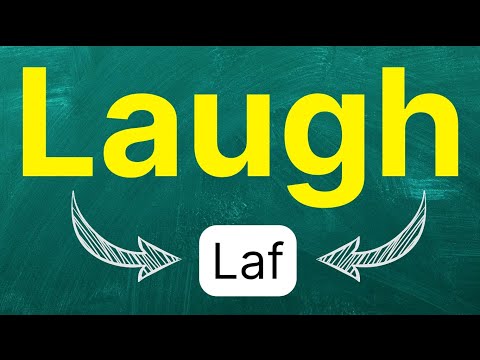
🇺🇸 IPA americano
🇬🇧 IPA británico
DEFINICIÓN:
Traducción y definición de laugh. Significados más comunes.
laugh como verbo
reír— hacer sonidos de alegría o diversión, generalmente con la boca abiertalaugh como sustantivo
risa, carcajada— sonido o expresión de alegría, diversión o burla que produce una personaDato curioso
La palabra 'laugh' viene del inglés antiguo 'hlæhhan' y es uno de los sonidos humanos más antiguos documentados en el idioma
ORACIONES DE EJEMPLO USANDO
laugh:
[¿Te ríes con los chistes?]
Do you laugh at jokes?
ERRORES COMUNES AL USAR
laugh:
laugh como forma verbo
I am laughing at you.
I am laughing at you. (Correcto, pero considera: 'I'm laughing with you' para ser amable)
Laughing at = burla. Laughing with = compartir diversión. Son conceptos diferentes
He laughed to the joke.
He laughed at the joke.
La preposición correcta es 'at', no 'to'
laugh como forma sustantivo
I hear a laughs in the background.
I hear laughs in the background.
El artículo indefinido 'a' no se usa con plurales. Se debe usar solo 'laughs' o 'a laugh' (singular)
The laugh are very loud.
The laugh is very loud.
'Laugh' como sustantivo singular requiere verbo en singular 'is', no 'are'
TIPS GRAMATICALES AL USAR
laugh:
laugh como forma verbo
Laugh es un verbo regular: laugh - laughed - laughed
No confundas con 'smiled' (sonrió). Laugh implica sonidos audibles de alegría
laugh como forma sustantivo
Como sustantivo, 'laugh' es contable: a laugh (una risa), laughs (risas), several laughs (varias risas)
Se puede usar con artículos definidos e indefinidos: 'the laugh', 'a laugh'
"COLLOCATIONS" COMBINACIONES HABITUALES DE
laugh:
laugh como forma verbo
laugh como forma sustantivo
SINÓNIMOS Y ANTÓNIMOS DE
laugh:
MODISMOS Y EXPRESIONES IDIOMÁTICAS DE
laugh:
"laugh all the way to the bank"
beneficiarse económicamente de algo, generalmente algo que otros consideran tonto
He sold his weird invention and laughed all the way to the bank.
"laugh your head off"
reírse muy fuertemente, sin control
We laughed our heads off at the silly video.
"have the last laugh"
tener éxito final o venganza después de que otros se burlaban
He studied hard and had the last laugh when he passed the exam.
"a laugh a minute"
algo o alguien que es muy divertido o cómico constantemente
That comedy show is a laugh a minute; I couldn't stop laughing.
"for laughs"
por diversión, como broma, sin intención seria
We did it for laughs, not to cause any harm.
PHRASAL VERBS / VERBOS FRASALES USANDO
laugh:
laugh off
desestimar algo jocosamente, no tomar en serio
He laughed off the criticism and continued with his plan.
JUEGOS Y EJERCICIOS INTERACTIVOS USANDO
laugh: