Inicio›Diccionario›living
living
verbosustantivoadjetivoPRONUNCIACIÓN:
¿Cómo se pronuncia living en inglés correctamente y fácil?
Pronunciación americana para hispanos. Las letras en negrita se pronuncian más fuerte.
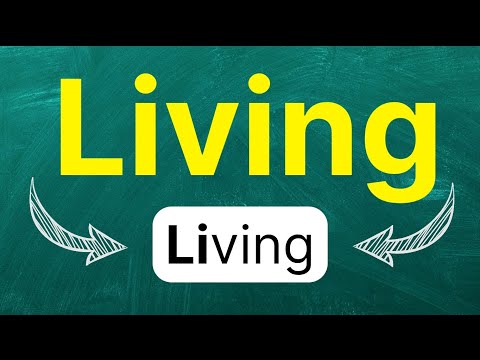
🇺🇸 IPA americano
🇬🇧 IPA británico
DEFINICIÓN:
Traducción y definición de living. Significados más comunes.
living como verbo
vivir— existir o residir en un lugar; llevar una forma de vida o modo de existencialiving como sustantivo
vida, modo de vida, sustento— la forma en que una persona o grupo vive, o los ingresos y recursos necesarios para mantener la existencialiving como adjetivo
vivo, viviente, actual— Que está vivo o en vida; que existe actualmente; relacionado con la vida diaria o las condiciones de existenciaDato curioso
Living es el gerundio de 'live'. En inglés, 'living' como verbo se usa frecuentemente en contextos de estilo de vida y experiencias cotidianas.
ORACIONES DE EJEMPLO USANDO
living:
[¿Dónde estás viviendo ahora?]
Where are you living now?
ERRORES COMUNES AL USAR
living:
living como forma verbo
I am live in New York.
I am living in New York.
Se debe usar el gerundio 'living' en construcciones progresivas, no 'live' solo.
He lives in Spain since 2015.
He has been living in Spain since 2015.
Cuando indicamos duración con 'since' o 'for', se debe usar presente perfecto progresivo, no presente simple.
living como forma sustantivo
He makes livings by teaching.
He makes a living by teaching.
En la expresión 'make a living' siempre se usa en singular, nunca en plural
The living is expensive.
The living is expensive. / The cost of living is expensive.
Cuando se habla de gastos, es mejor usar 'cost of living' que solo 'living'
living como forma adjetivo
She has good living.
She has a good standard of living.
'Living' como adjetivo requiere un sustantivo. 'Living' solo sin sustantivo es sustantivo/gerundio.
The person is living poor.
The person lives in poor living conditions.
'Living' adjetivo modifica sustantivos, no describe estados con 'to be'.
TIPS GRAMATICALES AL USAR
living:
living como forma verbo
Living como verbo requiere un sujeto que indica quién está viviendo.
Se usa frecuentemente en presente progresivo (is/are living) para describir acciones en progreso en presente o pasado.
living como forma sustantivo
Como sustantivo contable o incontable: usualmente se usa en singular sin artículo en expresiones como 'make a living'
Puede ir acompañado de adjetivos descriptivos: comfortable living, simple living, sustainable living
living como forma adjetivo
Como adjetivo, 'living' siempre precede al sustantivo: 'living conditions', 'living room', nunca después del verbo 'to be' sin ser sustantivo.
No confundas 'living' adjetivo con 'living' gerundio/sustantivo. Como adjetivo describe características: 'a living language' (una lengua viva).
"COLLOCATIONS" COMBINACIONES HABITUALES DE
living:
living como forma verbo
living como forma sustantivo
living como forma adjetivo
SINÓNIMOS Y ANTÓNIMOS DE
living:
MODISMOS Y EXPRESIONES IDIOMÁTICAS DE
living:
"living on borrowed time"
vivir con tiempo prestado (estar en una situación frágil o transitoria)
After his illness, he felt like he was living on borrowed time.
"living from hand to mouth"
vivir al día (sin ahorros ni seguridad económica)
Many families are living from hand to mouth due to unemployment.
"living a lie"
vivir una mentira (mantener una vida falsa o inauténtica)
He felt like he was living a lie by pretending to be happy.
"make a living"
ganarse la vida, obtener ingresos para vivir
She makes a living by selling handmade crafts.
"cost of living"
costo de vida, gasto necesario para vivir
The cost of living in the city is very high.
"standard of living"
nivel de vida, calidad de vida
They have improved their standard of living.
"the living daylights"
la luz del día viva; usado en 'scare the living daylights out of someone' (asustar a muerte a alguien)
You scared the living daylights out of me!
"living proof"
prueba viviente; ejemplo vivo de algo
He is living proof that hard work pays off.
PHRASAL VERBS / VERBOS FRASALES USANDO
living:
live down
dejar atrás un hecho vergonzoso o desagradable del pasado
He will never live down his embarrassing mistake at the meeting.
live on
subsistir con; continuar viviendo
They are living on a very small income.
live out
vivir completamente; realizar plenamente
She is living out her childhood dreams.
live up to
estar a la altura de; cumplir expectativas
The new restaurant is living up to its reputation.
JUEGOS Y EJERCICIOS INTERACTIVOS USANDO
living:
PALABRAS RELACIONADAS DE
living: