Inicio›Diccionario›find
find
verbosustantivoPRONUNCIACIÓN:
¿Cómo se pronuncia find en inglés correctamente y fácil?
Pronunciación americana para hispanos. Las letras en negrita se pronuncian más fuerte.
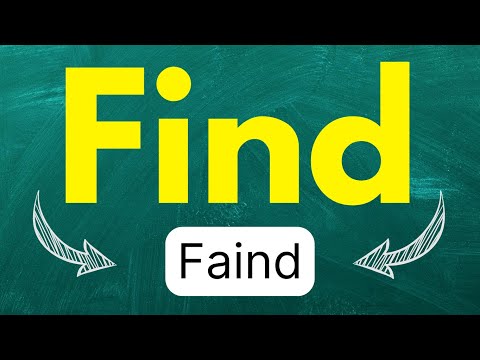
🇺🇸 IPA americano
🇬🇧 IPA británico
DEFINICIÓN:
Traducción y definición de find. Significados más comunes.
find como verbo
encontrar, hallar, descubrir— localizar, detectar o descubrir algo o alguien después de buscarlo o por casualidadfind como sustantivo
hallazgo, descubrimiento— Algo que se descubre o encuentra, especialmente algo valioso o interesanteDato curioso
La palabra 'find' proviene del inglés antiguo 'findan' y está relacionada con el alemán 'finden'. Su pronunciación ha permanecido casi igual durante más de 1000 años.
ORACIONES DE EJEMPLO USANDO
find:
[¿Encuentras tus llaves fácilmente?]
Do you find your keys easily?
ERRORES COMUNES AL USAR
find:
find como forma verbo
I find it yesterday.
I found it yesterday.
Find es un verbo irregular. El pasado simple es 'found', no 'find'
She finds the solution in tomorrow.
She will find the solution tomorrow.
Para expresar futuro se debe usar 'will find', no 'finds' con 'in tomorrow'
find como forma sustantivo
He found a good find.
He made a good find. / It was a good find.
No se debe usar 'find' como verbo y sustantivo en la misma frase de esta manera. Se usa 'make a find' o se describe el sustantivo independientemente.
The finds is amazing.
The find is amazing. / The finds are amazing.
Acordancia entre sujeto y verbo: 'find' singular usa 'is', 'finds' plural usa 'are'.
TIPS GRAMATICALES AL USAR
find:
find como forma verbo
Find es un verbo irregular: find (presente) → found (pasado) → found (participio pasado)
En tercera persona singular, añade 's': he/she/it finds
find como forma sustantivo
Como sustantivo, 'find' es contable y puede pluralizarse: 'finds'
Se usa frecuentemente con adjetivos como 'rare', 'good', 'valuable', 'lucky' para describir la naturaleza del descubrimiento
"COLLOCATIONS" COMBINACIONES HABITUALES DE
find:
find como forma verbo
find como forma sustantivo
SINÓNIMOS Y ANTÓNIMOS DE
find:
MODISMOS Y EXPRESIONES IDIOMÁTICAS DE
find:
"find one's feet"
adaptarse, acostumbrarse a una nueva situación
After a month in the new job, she finally found her feet.
"find it in oneself"
encontrar la voluntad o capacidad para hacer algo difícil
I couldn't find it in myself to tell her the truth.
"find one's voice"
expresarse con confianza, encontrar tu propia forma de comunicarte
The young artist found her voice through painting.
"a lucky find"
Un descubrimiento afortunado o hallazgo por suerte
Buying that painting at the garage sale was a lucky find.
"a good find"
Algo útil o valioso que se ha encontrado
This vintage record player is a really good find.
PHRASAL VERBS / VERBOS FRASALES USANDO
find:
find out
descubrir, enterarse, investigar
I need to find out what happened.
find (someone) out
descubrir que alguien está mintiendo o cometiendo un delito
They found him out when he was caught stealing.
JUEGOS Y EJERCICIOS INTERACTIVOS USANDO
find:
PALABRAS RELACIONADAS DE
find: