Inicio›Diccionario›first
first
adjetivoadverbiosustantivoPRONUNCIACIÓN:
¿Cómo se pronuncia first en inglés correctamente y fácil?
Pronunciación americana para hispanos. Las letras en negrita se pronuncian más fuerte.
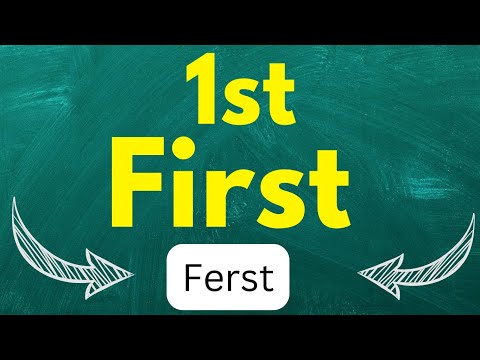
🇺🇸 IPA americano
🇬🇧 IPA británico
DEFINICIÓN:
Traducción y definición de first. Significados más comunes.
first como adjetivo
primero/a— que ocupa el lugar número uno en una serie o secuencia; anterior a todos los demásfirst como adverbio
primero, en primer lugar, inicialmente— adverbio que indica el orden o secuencia, señalando que algo ocurre antes que otra cosa o en primer términofirst como sustantivo
primero, primera vez, primer lugar— la persona o cosa que llega antes que todas las demás en orden, tiempo o posición; el comienzo de algoDato curioso
En inglés antiguo, 'first' viene del proto-germánico 'furistaz', que significa 'el que va adelante'. La palabra ha sido usada prácticamente sin cambios durante más de mil años.
ORACIONES DE EJEMPLO USANDO
first:
[¿Es esta tu primera vez visitando Londres?]
Is this your first time visiting London?
ERRORES COMUNES AL USAR
first:
first como forma adjetivo
I visited the London first time.
I visited London for the first time.
Se usa 'for the first time', no 'the first time' después del verbo de esta manera. El artículo definido debe ir con 'first' en la expresión temporal.
This is the most first chapter.
This is the first chapter.
'First' es ya un ordinal superlativo implícito. No necesita 'most'. Los ordinales (first, second, third) no toman 'most'.
first como forma adverbio
I first have completed my work.
I have first completed my work. / I completed my work first.
El adverbio 'first' debe colocarse después del auxiliar 'have' en el Present Perfect, no entre el sujeto y el auxiliar
First I see that he arrived.
At first, I didn't see that he arrived. / First, I saw that he arrived.
'At first' (al principio) es diferente de 'first' solo. 'At first' implica contraste con lo que pasó después
first como forma sustantivo
He is the first in his class.
He is the first of his class o He is the first in the class.
La preposición correcta es 'of' cuando se refiere al rango dentro de un grupo, o 'in' cuando se refiere a ser el mejor
In the first from the morning, I feel tired.
At first in the morning, I feel tired o In the first hours of the morning, I feel tired.
'At first' significa 'al principio', pero se necesita más contexto; 'in the first' requiere un sustantivo
TIPS GRAMATICALES AL USAR
first:
first como forma adjetivo
Como adjetivo, 'first' siempre precede al sustantivo: 'the first day', 'my first car', nunca 'the day first'
Se puede usar como adjetivo demostrativo ordinal con artículos definidos (the first) o posesivos (my first, your first)
first como forma adverbio
Como adverbio, 'first' modifica al verbo y puede colocarse al inicio de la oración para énfasis o en su posición natural después del verbo auxiliar
No confundir con el adjetivo 'first' que modifica sustantivos (first day, first time). Como adverbio, modifica acciones
first como forma sustantivo
Como sustantivo, 'first' es un sustantivo contable que puede ir precedido de artículos: 'the first', 'a first'
Cuando se refiere a una persona específica, va acompañado de 'the' o de un pronombre posesivo: 'the first of the class', 'my first'
"COLLOCATIONS" COMBINACIONES HABITUALES DE
first:
first como forma adjetivo
first como forma adverbio
first como forma sustantivo
SINÓNIMOS Y ANTÓNIMOS DE
first:
first como adverbio
Sinónimos
Antónimos
first como sustantivo
Sinónimos
Antónimos
MODISMOS Y EXPRESIONES IDIOMÁTICAS DE
first:
"first things first"
lo más importante primero; establecer prioridades
I need to finish my homework first things first, then I can go out.
"first-hand"
directo, obtenido personalmente sin intermediarios
I got the information first-hand from the manager.
"at first sight"
a primera vista
At first sight, the problem seemed simple.
"first and foremost"
lo más importante, ante todo, principalmente
First and foremost, we need to ensure safety.
"first come, first served"
por orden de llegada, quien llega primero se atiende primero
The tickets are sold on a first come, first served basis.
"at first"
al principio, inicialmente
At first, I didn't understand the problem.
"come first"
ser la prioridad principal
Your health should always come first.
JUEGOS Y EJERCICIOS INTERACTIVOS USANDO
first: