Inicio›Diccionario›cutting
cutting
verbosustantivoadjetivoPRONUNCIACIÓN:
¿Cómo se pronuncia cutting en inglés correctamente y fácil?
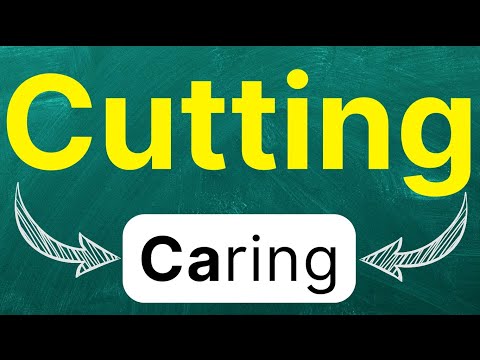
Pronunciación americana para hispanos. Las letras en negrita se pronuncian más fuerte.
🇺🇸 IPA americano
🇬🇧 IPA británico
DEFINICIÓN:
Traducción y definición de cutting. Significados más comunes.
cutting como verbo
cortar— dividir, separar o reducir algo usando un instrumento afilado como tijeras, cuchillo o sierracutting como sustantivo
corte, recorte, fragmento— Acción de cortar algo o fragmento pequeño separado de algo más grande, especialmente en contextos como cine, televisión, plantas o periódicoscutting como adjetivo
cortante, afilado, punzante, hiriente— Que causa dolor físico o emocional; que es capaz de cortar; que es hiriente o sarcásticoDato curioso
El verbo 'cut' es uno de los verbos irregulares más antiguos del inglés, usado desde el siglo XII
ORACIONES DE EJEMPLO USANDO
cutting:
[¿Cortas el pan cada mañana?]
Do you cut the bread every morning?
ERRORES COMUNES AL USAR
cutting:
cutting como forma verbo
He cutted the paper.
He cut the paper.
Cut es irregular, no se añade -ed en pasado
She is cut the meat right now.
She is cutting the meat right now.
En presente continuo se debe usar 'cutting', no 'cut'
cutting como forma sustantivo
I need a cuttings from the plant
I need a cutting from the plant
Cuando se refiere a un solo esqueje, se usa el singular 'cutting'
The cutting are done by the editor
The cutting is done by the editor
Cuando se refiere al proceso general, 'cutting' es singular y se conjuga con 'is'
cutting como forma adjetivo
This is a very cutting edge technology.
This is cutting-edge technology. / This is very advanced technology.
'Cutting-edge' es una expresión compuesta que se escribe con guion y ya implica 'muy'; no se debe reforzar con 'very'
The wind is more cutting than yesterday.
The wind is sharper than yesterday. / The wind is more cutting than yesterday's.
Aunque es gramaticalmente correcto, es mejor evitar comparativos con 'cutting'; 'sharp' o 'piercing' son más naturales
TIPS GRAMATICALES AL USAR
cutting:
cutting como forma verbo
Cut es un verbo irregular: cut (presente) → cut (pasado) → cut (participio), no añade -ed
En presente continuo, se añade -ing: I am cutting (estoy cortando)
cutting como forma sustantivo
Como sustantivo, 'cutting' es contable y puede usarse en singular o plural: 'a cutting', 'cuttings'
En contexto de edición de video/cine, 'cutting' es un sustantivo incontable que se refiere al proceso: 'The cutting is important'
cutting como forma adjetivo
Como adjetivo, 'cutting' se coloca antes del sustantivo: 'cutting remark', 'cutting edge'
Puede usarse después del verbo 'to be': 'His comment was cutting' (Su comentario fue hiriente)
"COLLOCATIONS" COMBINACIONES HABITUALES DE
cutting:
cutting como forma verbo
cutting como forma sustantivo
cutting como forma adjetivo
SINÓNIMOS Y ANTÓNIMOS DE
cutting:
MODISMOS Y EXPRESIONES IDIOMÁTICAS DE
cutting:
"cut corners"
hacer algo de forma rápida y descuidada, sin cuidado por la calidad
Don't cut corners on your homework.
"cut it close"
llegar justo a tiempo, con poco margen
We cut it close arriving at the airport five minutes before departure.
"cut to the chase"
ir al grano, dejar de rodeos
Let's cut to the chase and discuss the main problem.
"cut a long story short"
resumir una historia larga, ser breve
To cut a long story short, we didn't get the job.
"cutting edge"
lo más avanzado, lo más moderno o innovador
This technology is on the cutting edge of innovation.
"cutting remarks"
comentarios hirientes o punzantes
His cutting remarks hurt her feelings.
"cutting corners"
tomar atajos, hacer algo de manera incompleta o sin cuidado
Don't be cutting corners on quality.
PHRASAL VERBS / VERBOS FRASALES USANDO
cutting:
cut back
reducir cantidad o consumo
I'm cutting back on sugar intake.
cut down
talar, derribar; también reducir
They cut down the old oak tree.
cut off
separar, desconectar, interrumpir
The storm cut off our electricity.
cut out
recortar, dejar de hacer algo
You should cut out junk food from your diet.
cut up
cortar en pedazos pequeños
Can you cut up these vegetables for the soup?
JUEGOS Y EJERCICIOS INTERACTIVOS USANDO
cutting: