Inicio›Diccionario›edge
edge
sustantivoverboPRONUNCIACIÓN:
¿Cómo se pronuncia edge en inglés correctamente y fácil?
Pronunciación americana para hispanos. Las letras en negrita se pronuncian más fuerte.
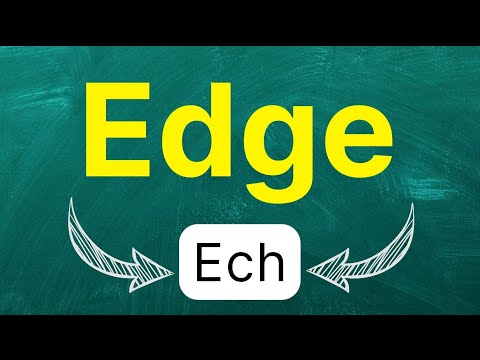
🇺🇸 IPA americano
🇬🇧 IPA británico
DEFINICIÓN:
Traducción y definición de edge. Significados más comunes.
edge como sustantivo
borde, filo, orilla— la línea o superficie donde algo termina o el lado afilado de un objetoedge como verbo
avanzar lentamente, aproximarse gradualmente, ganar ventaja— moverse lentamente o gradualmente en una dirección, especialmente hacia adelante o hacia un lado; obtener una pequeña ventaja sobre algo o alguienDato curioso
La palabra 'edge' tiene raíces antiguas en el inglés y el germánico. En contextos modernos, 'to have an edge' significa tener una ventaja competitiva.
ORACIONES DE EJEMPLO USANDO
edge:
[¿Tiene el cuchillo un filo afilado?]
Does the knife have a sharp edge?
ERRORES COMUNES AL USAR
edge:
edge como forma sustantivo
I sit in the edge of the table.
I sit at the edge of the table.
Se usa la preposición 'at' con 'edge' en contextos de ubicación, no 'in'
The edges of the knife is sharp.
The edge of the knife is sharp.
Usa el singular 'edge' cuando hablas de un solo borde; el plural 'edges' se usa solo cuando hay múltiples bordes
edge como forma verbo
He edge the ball away.
He edged the ball away.
En tercera persona del singular presente, se debe agregar 's' y formar 'edged' en pasado, no 'edge'
She is edging out of the room slowly slowly.
She is edging out of the room slowly.
No repetir el adverbio; 'slowly' una sola vez es suficiente
TIPS GRAMATICALES AL USAR
edge:
edge como forma sustantivo
Edge es un sustantivo contable, puede ser singular (edge) o plural (edges)
Como sustantivo, edge puede ser modificado por adjetivos como 'sharp' (afilado), 'smooth' (suave) o 'rough' (áspero)
edge como forma verbo
Edge es un verbo transitivo cuando va seguido de un objeto (edge out, edge ahead) e intransitivo cuando se usa solo
En pasado, se forma regularmente: edge → edged
"COLLOCATIONS" COMBINACIONES HABITUALES DE
edge:
edge como forma sustantivo
edge como forma verbo
SINÓNIMOS Y ANTÓNIMOS DE
edge:
MODISMOS Y EXPRESIONES IDIOMÁTICAS DE
edge:
"on the edge"
al borde de algo, en una situación de peligro o incertidumbre
The team is on the edge of winning the championship.
"on edge"
nervioso, ansioso, tenso
He felt on edge during the exam.
"take the edge off"
suavizar, reducir la intensidad de algo
A good meal will take the edge off your hunger.
"edge out"
superar a alguien por un pequeño margen
The home team edged out the visitors by one point.
"edge ahead"
tomar delantera gradualmente
Our company edged ahead of competitors this quarter.
PHRASAL VERBS / VERBOS FRASALES USANDO
edge:
edge out
adelantar por poco, ganar por un margen pequeño
Our team edged out the rivals in the final match.
edge forward
avanzar lentamente
The car edged forward through the traffic.
edge in
insertarse o colarse gradualmente
He edged in a few comments during the meeting.
edge up
aumentar lentamente
Prices have edged up this month.
JUEGOS Y EJERCICIOS INTERACTIVOS USANDO
edge: