Inicio›Diccionario›hug
hug
verbosustantivoPRONUNCIACIÓN:
¿Cómo se pronuncia hug en inglés correctamente y fácil?
Pronunciación americana para hispanos. Las letras en negrita se pronuncian más fuerte.
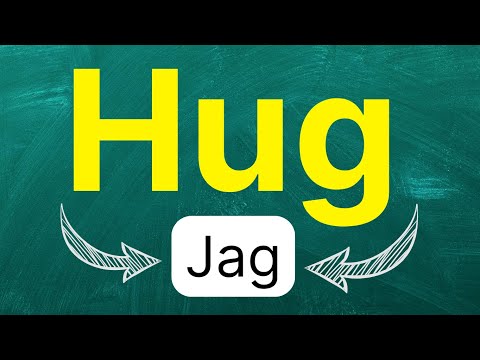
🇺🇸 IPA americano
🇬🇧 IPA británico
DEFINICIÓN:
Traducción y definición de hug. Significados más comunes.
hug como verbo
abrazar— rodear con los brazos a alguien como muestra de afecto, cariño o apoyohug como sustantivo
abrazo— un acto de rodear con los brazos a una persona como muestra de afecto o apoyoDato curioso
El verbo 'hug' proviene del nórdico antiguo 'hugga', que originalmente significaba 'consolar' o 'confortar'. En la era digital, se popularizó el emoticón *hugs* como forma de enviar afecto virtualmente.
ORACIONES DE EJEMPLO USANDO
hug:
[¿Abrazas a tus amigos cuando los ves?]
Do you hug your friends when you see them?
ERRORES COMUNES AL USAR
hug:
hug como forma verbo
I huging you
I am hugging you
El gerundio de 'hug' es 'hugging' (duplica la g), y requiere 'am' para formar el presente continuo.
She huged me yesterday
She hugged me yesterday
El pasado simple de 'hug' es 'hugged' (se duplica la consonante final porque es una sílaba cerrada con una sola vocal).
hug como forma sustantivo
I need hug
I need a hug
Como sustantivo contable en singular, 'hug' requiere el artículo 'a'
She enjoys to receive hugs
She enjoys receiving hugs
'Enjoy' se seguido de gerundio (-ing), no de infinitivo
TIPS GRAMATICALES AL USAR
hug:
hug como forma verbo
El verbo 'hug' es regular, por lo que forma el pasado añadiendo -ed: hugged.
El gerundio se forma con -ging: hugging (duplica la consonante final).
hug como forma sustantivo
Como sustantivo contable, 'hug' puede llevar artículos: 'a hug', 'the hug'
Puede pluralizarse: 'hugs' (abrazos)
"COLLOCATIONS" COMBINACIONES HABITUALES DE
hug:
hug como forma verbo
hug como forma sustantivo
SINÓNIMOS Y ANTÓNIMOS DE
hug:
MODISMOS Y EXPRESIONES IDIOMÁTICAS DE
hug:
"hug it out"
resolver un conflicto abrazándose o reconciliarse mediante un abrazo
After their argument, they decided to hug it out.
"a hug and a kiss"
expresión cariñosa entre personas cercanas
She greeted him with a hug and a kiss.
"bear hug"
un abrazo fuerte y apretado
He gave his father a bear hug when he returned from the trip.
PHRASAL VERBS / VERBOS FRASALES USANDO
hug:
hug out
abrazar para despedirse o resolver un conflicto
Let's hug it out and forget about what happened.
JUEGOS Y EJERCICIOS INTERACTIVOS USANDO
hug: