Inicio›Diccionario›hurt
hurt
verboadjetivosustantivoPRONUNCIACIÓN:
¿Cómo se pronuncia hurt en inglés correctamente y fácil?
Pronunciación americana para hispanos. Las letras en negrita se pronuncian más fuerte.
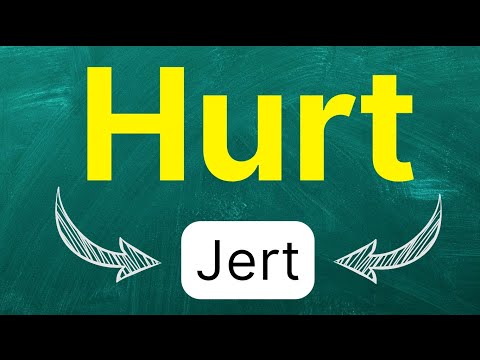
🇺🇸 IPA americano
🇬🇧 IPA británico
DEFINICIÓN:
Traducción y definición de hurt. Significados más comunes.
hurt como verbo
lastimar, herir, dañar— causar dolor físico o emocional a alguien o algohurt como adjetivo
herido, lastimado, dañado— Que ha experimentado dolor físico o emocional; afectado negativamentehurt como sustantivo
daño, lesión, herida, perjuicio— Lesión física o daño emocional causado a una persona; perjuicio o agravioDato curioso
El verbo 'hurt' es irregular en inglés: su pasado y participio pasado son idénticos (hurt), no sigue el patrón regular de agregar -ed.
ORACIONES DE EJEMPLO USANDO
hurt:
[¿Te duele esta lesión?]
Does this injury hurt you?
ERRORES COMUNES AL USAR
hurt:
hurt como forma verbo
He hurts his leg yesterday.
He hurt his leg yesterday.
El pasado simple debe usar 'hurt', no 'hurts'. 'Hurts' es tercera persona presente.
Did you hurted yourself?
Did you hurt yourself?
Con verbos irregulares no se agrega -ed. 'Hurt' permanece igual en pasado.
hurt como forma adjetivo
She is very hurted.
She is very hurt.
Como adjetivo derivado de verbo participial, 'hurt' no lleva la terminación '-ed' adicional; es irregular
The hurts people
The hurt people
'Hurt' como adjetivo no se pluraliza; se mantiene igual para plural y singular
hurt como forma sustantivo
He suffered a big hurt.
He suffered a great hurt / deep hurt / severe hurt.
No se usa 'big' como adjetivo con 'hurt' como sustantivo; se prefieren 'great', 'deep' o 'severe'
The hurt is in my body.
The pain / injury is in my body.
Para referirse a daño físico específico, 'pain' o 'injury' son más apropiados que 'hurt'
TIPS GRAMATICALES AL USAR
hurt:
hurt como forma verbo
El verbo 'hurt' es irregular: hurt → hurt → hurt (no cambia en pasado simple ni participio)
Se usa con objeto directo: 'hurt someone/something' (no se dice 'hurt to someone')
hurt como forma adjetivo
Como adjetivo, 'hurt' es invariable en forma (no cambia con plural ni género en inglés)
Se usa típicamente después del verbo 'to be' (be hurt) o antes de un sustantivo (hurt person)
hurt como forma sustantivo
Como sustantivo, 'hurt' es contable e incontable: 'the hurt' (el daño específico) o 'hurt' (daño en general)
Frecuentemente se usa precedido de adjetivos como 'emotional', 'physical', 'deep', 'lasting' para especificar el tipo de daño
"COLLOCATIONS" COMBINACIONES HABITUALES DE
hurt:
hurt como forma verbo
hurt como forma adjetivo
hurt como forma sustantivo
SINÓNIMOS Y ANTÓNIMOS DE
hurt:
MODISMOS Y EXPRESIONES IDIOMÁTICAS DE
hurt:
"hurt someone's feelings"
ofender o herir emocionalmente a alguien
I didn't mean to hurt your feelings with my comment.
"it hurts like hell"
duele muchísimo
My tooth hurts like hell today.
"hurt feelings"
sentimientos ofendidos, susceptibilidad afectada
Her hurt feelings were obvious after the argument.
"a hurt look"
una expresión de dolor o tristeza en el rostro
He gave her a hurt look when she ignored him.
"to lick one's hurts"
recuperarse de las heridas emocionales; superarse después de una derrota
After losing the competition, the team needed time to lick their hurts.
"to nurse a hurt"
mantener el resentimiento; guardar rencor
He has been nursing a hurt since the argument last month.
PHRASAL VERBS / VERBOS FRASALES USANDO
hurt:
hurt out
decir algo que causa dolor (forma rara)
She hurt out the truth without thinking.
JUEGOS Y EJERCICIOS INTERACTIVOS USANDO
hurt: