Inicio›Diccionario›hit
hit
verbosustantivoPRONUNCIACIÓN:
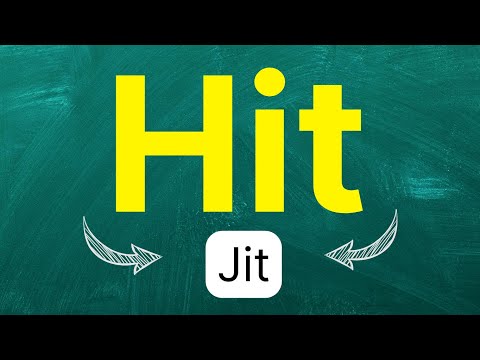
¿Cómo se pronuncia hit en inglés correctamente y fácil?
Pronunciación americana para hispanos. Las letras en negrita se pronuncian más fuerte.
🇺🇸 IPA americano
🇬🇧 IPA británico
DEFINICIÓN:
Traducción y definición de hit. Significados más comunes.
hit como verbo
golpear, pegar, dar un golpe— Golpear a alguien o algo con fuerza usando la mano, un objeto o parte del cuerpohit como sustantivo
éxito, golpe, impacto— Canción, película, obra de arte o producto que tiene mucho éxito; también puede significar un golpe directo o impacto físicoDato curioso
El verbo 'hit' es irregular: hit-hit-hit. Es uno de los verbos más antiguos del inglés, con raíces en el nórdico antiguo.
ORACIONES DE EJEMPLO USANDO
hit:
[¿Golpeas la pelota fuerte cuando juegas tenis?]
Do you hit the ball hard when you play tennis?
ERRORES COMUNES AL USAR
hit:
hit como forma verbo
He hitted the ball.
He hit the ball.
Hit es irregular; no se le agrega -ed. La forma pasada es hit, no hitted.
She hit in the wall.
She hit the wall.
Se usa 'hit the wall' (golpear algo), no 'hit in' para este significado.
hit como forma sustantivo
This is a very hit song
This is a very successful song / This is a hit song
Como sustantivo, 'hit' no se usa como adjetivo de esta manera. Usa 'hit' como sustantivo o 'successful' como adjetivo
The hits are growing up
The hits are growing in popularity
'Hits' es un sustantivo que no 'crece'; las canciones ganan popularidad
TIPS GRAMATICALES AL USAR
hit:
hit como forma verbo
Hit es un verbo irregular: la forma pasada y participio pasado son idénticas (hit)
Puede usarse transitivamente (hit someone/something) o intransitivamente (to hit)
hit como forma sustantivo
Como sustantivo contable, 'hit' puede llevar artículos: 'a hit', 'the hit', 'some hits'
En plural se forma regularmente: 'hits'
"COLLOCATIONS" COMBINACIONES HABITUALES DE
hit:
hit como forma verbo
hit como forma sustantivo
SINÓNIMOS Y ANTÓNIMOS DE
hit:
MODISMOS Y EXPRESIONES IDIOMÁTICAS DE
hit:
"hit the nail on the head"
acertar exactamente, identificar el problema correcto
You hit the nail on the head with your analysis.
"hit the ground running"
comenzar con entusiasmo y energía
She hit the ground running on her first day.
"hit the sack"
irse a dormir
I'm tired, I need to hit the sack.
"a hit with someone"
ser popular o caerle bien a alguien
That comedian is a real hit with teenagers.
"the big hit"
un gran éxito o gran golpe
They're waiting for the big hit to come.
PHRASAL VERBS / VERBOS FRASALES USANDO
hit:
hit back
devolver un golpe, responder con agresión
When attacked, he hit back immediately.
hit on
intentar ligar con alguien, coquetear
He tried to hit on her at the party.
hit off
congeniar, llevarse bien
They hit it off immediately.
JUEGOS Y EJERCICIOS INTERACTIVOS USANDO
hit:
PALABRAS RELACIONADAS DE
hit: