Inicio›Diccionario›lead
lead
sustantivoverboPRONUNCIACIÓN:
¿Cómo se pronuncia lead en inglés correctamente y fácil?
Pronunciación americana para hispanos. Las letras en negrita se pronuncian más fuerte.
🇺🇸 IPA americano
🇬🇧 IPA británico
DEFINICIÓN:
Traducción y definición de lead. Significados más comunes.
lead como sustantivo
plomo; iniciativa; pista; correa; cable— Metal pesado gris oscuro; también puede significar una pista o indicio en una investigación, o la cuerda para sujetar a un animallead como verbo
liderar, conducir, guiar— Dirigir o guiar a una persona o grupo hacia un lugar o en una dirección; estar a la cabeza de algoDato curioso
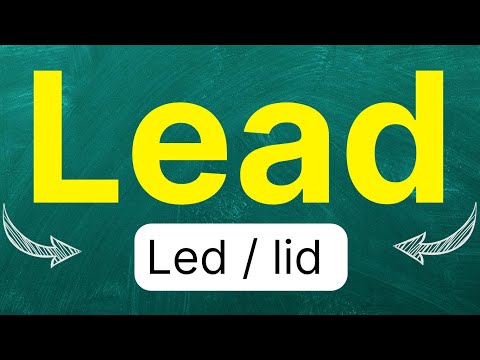
La palabra 'lead' como sustantivo tiene diferentes pronunciaciones según su significado: /led/ (plomo) y /liːd/ (pista/iniciativa) son homógrafos pero con pronunciaciones distintas
ORACIONES DE EJEMPLO USANDO
lead:
[¿Contiene plomo esta tubería?]
Does this pipe contain lead?
ERRORES COMUNES AL USAR
lead:
lead como forma sustantivo
I have the lead for this case.
I have a lead for this case.
Se necesita el artículo indefinido 'a' antes de 'lead' cuando se refiere a una pista singular
There is much lead in the water.
There is a lot of lead in the water. / There is much lead in the water.
'Much' se usa con sustantivos incontables, pero 'lead' (plomo) es incontable. Ambas formas son correctas, pero 'a lot of' es más común en inglés moderno
lead como forma verbo
She leaded the project.
She led the project.
'Leaded' es el pasado de 'to lead' (poner plomo), no de 'to lead' (dirigir). El pasado correcto es 'led'.
He leads to the team.
He leads the team.
'Lead to' significa 'conducir a/resultar en', no se usa para indicar quién dirige un grupo. Se debe usar 'lead' directamente con el objeto.
TIPS GRAMATICALES AL USAR
lead:
lead como forma sustantivo
Lead (sustantivo) siempre requiere artículo (a, the) o determinante cuando se usa de forma singular
El plural de 'lead' como sustantivo es 'leads': multiple leads, several leads
lead como forma verbo
El verbo 'lead' es regular en presente pero irregular en pasado: lead → led (no 'leaded' en el sentido de 'dirigir')
Se utiliza frecuentemente con preposiciones: 'lead to' (conducir a), 'lead by' (dirigido por), 'lead someone somewhere' (guiar a alguien a algún lugar)
"COLLOCATIONS" COMBINACIONES HABITUALES DE
lead:
lead como forma sustantivo
lead como forma verbo
SINÓNIMOS Y ANTÓNIMOS DE
lead:
MODISMOS Y EXPRESIONES IDIOMÁTICAS DE
lead:
"follow a lead"
investigar una pista o indicio
The detective will follow every lead to solve the crime.
"have a lead on something"
tener información o ventaja sobre algo
We have a good lead on the new market opportunity.
"lead someone by the nose"
manipular o controlar a alguien completamente
He's being led by the nose by his business partner.
"lead the way"
ir primero, mostrar el camino, ser ejemplo
The CEO will lead the way in implementing sustainable practices.
PHRASAL VERBS / VERBOS FRASALES USANDO
lead:
lead on
engañar o dar falsas esperanzas (cuando se usa como phrasal verb con lead como verbo, pero aquí se incluye contexto de sustantivo)
That hot lead turned out to be a false lead.
lead to
resultar en, conducir a (consecuencia)
This decision will lead to significant changes.
lead up to
preceder, introducir gradualmente
Several events led up to the final decision.
lead off
comenzar, iniciar
The presentation will be led off by the director.
JUEGOS Y EJERCICIOS INTERACTIVOS USANDO
lead: