Inicio›Diccionario›move
move
verbosustantivoPRONUNCIACIÓN:
¿Cómo se pronuncia move en inglés correctamente y fácil?
Pronunciación americana para hispanos. Las letras en negrita se pronuncian más fuerte.
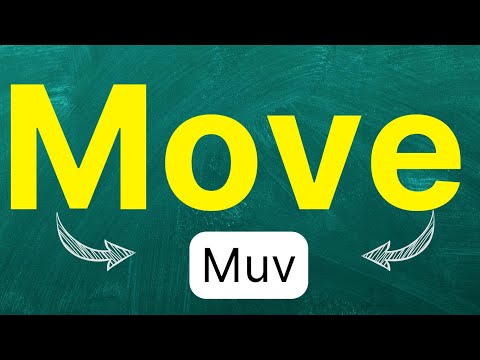
🇺🇸 IPA americano
🇬🇧 IPA británico
DEFINICIÓN:
Traducción y definición de move. Significados más comunes.
move como verbo
mover, moverse, trasladarse— cambiar de posición o lugar; desplazarse de un sitio a otromove como sustantivo
movimiento, jugada, mudanza— una acción de cambiar de posición, una estrategia en un juego, o el acto de trasladarse a una nueva casaDato curioso
La palabra 'move' proviene del latín 'movere' y es uno de los verbos más versátiles del inglés, con múltiples significados según el contexto
ORACIONES DE EJEMPLO USANDO
move:
[¿Te mudas a una casa nueva cada año?]
Do you move to a new house every year?
ERRORES COMUNES AL USAR
move:
move como forma verbo
I'm moved to a new house.
I'm moving to a new house.
Cuando expresas intención presente, usas 'moving' (presente continuo), no 'moved' (pasado). 'Moved' es pasado o puede significar 'emocionado' como adjetivo
She move to London last year.
She moved to London last year.
En pasado simple con third person singular (she), el verbo debe incluir la -d de 'moved', aunque generalmente no escribas 's' en pasado
move como forma sustantivo
I made three moves to London
I made three moves to London (correcto) o I moved to London three times (si se refiere al verbo)
'Move' como sustantivo es correcto en esta estructura. El error sería no distinguir entre 'move' (sustantivo) y 'move' (verbo) en contextos diferentes
The move was very quick
The move was very quick (correcto como sustantivo)
Esta oración es correcta. Error común es usar 'quickly' como adverbio cuando se necesita el adjetivo 'quick' para modificar el sustantivo
TIPS GRAMATICALES AL USAR
move:
move como forma verbo
Move es un verbo regular, por lo que el pasado simple se forma añadiendo -ed: moved
En presente simple, añade -s en tercera persona: he/she/it moves
move como forma sustantivo
Como sustantivo, 'move' es contable y puede usarse en singular o plural: 'a move', 'moves'
Generalmente requiere un artículo (a, the) o un determinante (possessive, demonstrative): 'the move', 'my move', 'that move'
"COLLOCATIONS" COMBINACIONES HABITUALES DE
move:
move como forma verbo
move como forma sustantivo
SINÓNIMOS Y ANTÓNIMOS DE
move:
MODISMOS Y EXPRESIONES IDIOMÁTICAS DE
move:
"get a move on"
darse prisa, apurarse
We need to get a move on or we'll be late for the meeting.
"make a move"
tomar medidas, actuar, hacer un movimiento estratégico
It's time to make a move and start your own business.
"move heaven and earth"
hacer todo lo posible, mover cielo y tierra
I will move heaven and earth to help you succeed.
"a good move"
una decisión acertada
Quitting that job was a good move for her career.
PHRASAL VERBS / VERBOS FRASALES USANDO
move:
move out
mudarse, desalojarse, irse de un lugar
My sister moved out of her parents' house when she turned 25.
move up
ascender, subir de nivel o rango
She moved up to a senior position in her company.
move on
seguir adelante, pasar a otra cosa
After the breakup, it took him time to move on.
move back
volver, regresar a un lugar anterior
We decided to move back to our hometown.
move in
mudarse, trasladarse
They are moving in to their new apartment next week.
JUEGOS Y EJERCICIOS INTERACTIVOS USANDO
move:
PALABRAS RELACIONADAS DE
move: